Takt planning creates a predictable production rhythm by coordinating trades around defined work zones and repeatable time intervals. When the plan is connected to the BIM model, teams can understand what should happen, where it should happen and whether production is moving as planned.
What is Takt planning?
Takt planning is a location-based production planning method used in Lean Construction. Work is divided into zones, and trade teams move through those zones according to a shared rhythm, or takt. The aim is to create steady flow, reduce waiting and make dependencies between activities easier to manage.
A conventional schedule may show when a task is due. A Takt plan also makes the production sequence visible: which team should be in which zone, what must be completed before the next handover, and where a disruption is likely to affect downstream work.
What does Takt planning give contractors?
For contractors, the value is practical. A shared Takt plan can help teams:
- coordinate trades and work zones more clearly
- identify constraints before they stop production
- improve handovers between crews
- compare planned and completed work
- reduce waiting, congestion and avoidable rework
- create a common production picture for site and project teams
The method does not remove variation from construction. It makes variation easier to see and respond to while there is still time to act.
Connecting the Takt plan to the BIM model
StreamBIM brings the Takt plan into the same digital environment as the project’s drawings, models, checklists, issues and field documentation. Activities can be linked to locations and model context, so the production plan is not isolated in a separate planning file.
Site teams can use 2D drawings or the 3D model to understand the work in each zone. Progress can be updated from the field and made visible in dashboards, giving the wider project team a current view of production status.
This supports a Total BIM way of working: the model becomes the shared context for planning, coordination and execution, while project data remains available to the people who need it.
Hammerfest Hospital: Takt planning in practice
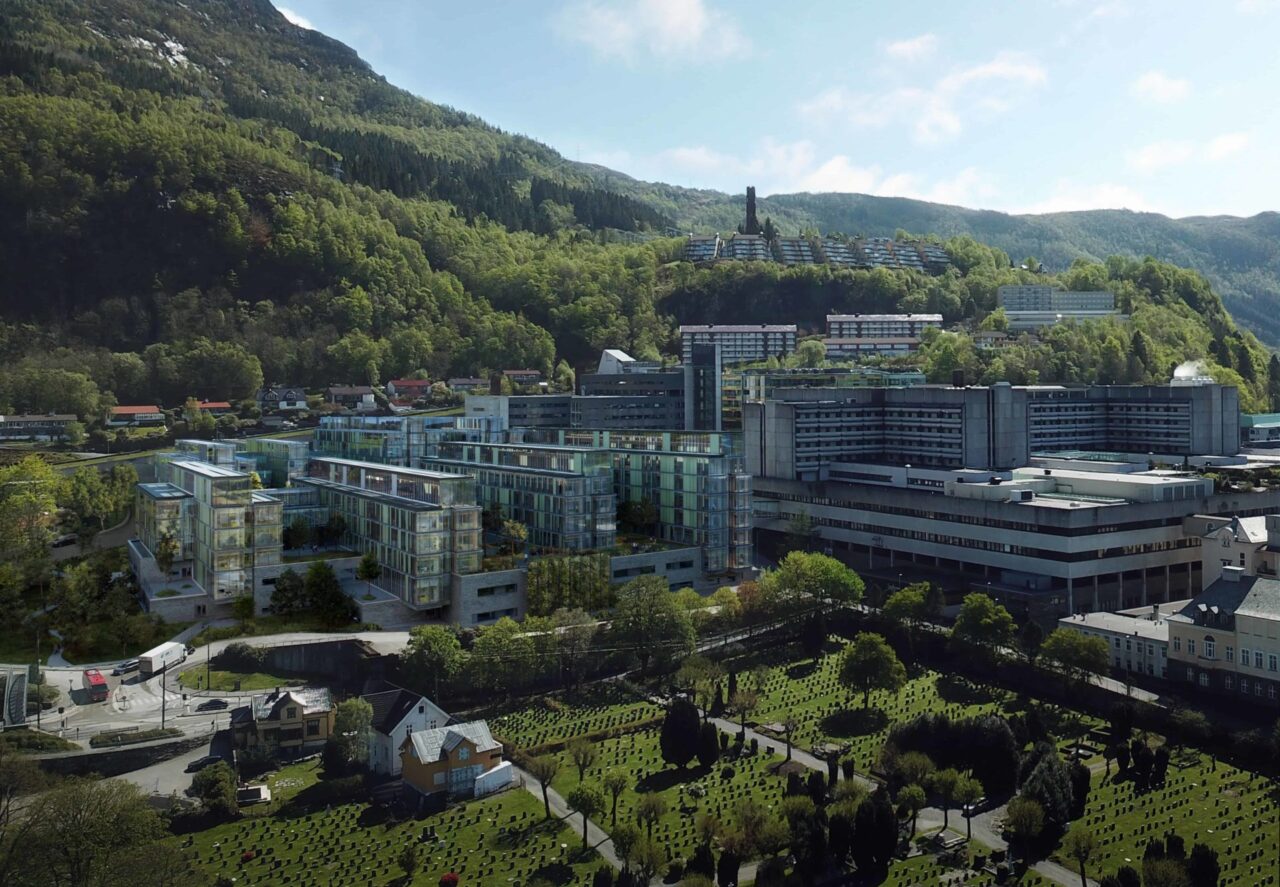
At the Hammerfest Hospital project in northern Norway, contractor Consto worked with Takt planning in StreamBIM. Preben Rotvold and Joachim Fornstedt developed the approach together with Rendra by building on StreamBIM’s checklist functionality.
The team used dashboards and 2D and 3D views to communicate the plan and follow production. Real-time updates gave participants a shared overview of status and supported coordination between work packages and locations.
The hospital project was completed four months ahead of schedule. Takt planning was part of a wider production approach, so the result should not be presented as the effect of one feature alone. It is nevertheless a strong example of how visible, location-based planning can support control and collaboration on a complex project.
From Norway to Japan
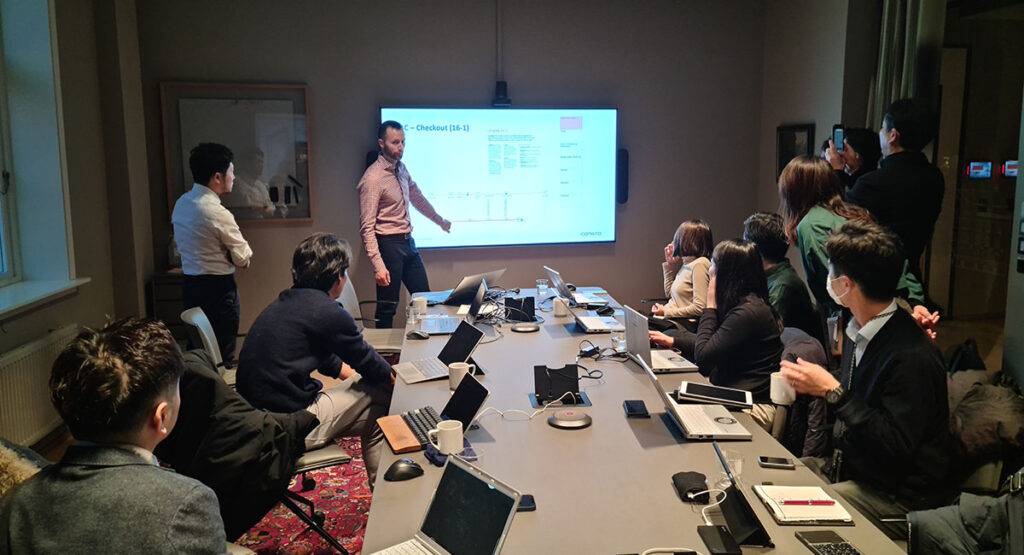
The work at Hammerfest Hospital also attracted international interest. Earlier, a team from Japanese contractor Takenaka travelled to Tromsø to exchange experience with the Norwegian project team and learn more about its use of Takt planning and digital production tools.
The exchange illustrates a broader point: Lean Construction principles can travel across markets, but their impact depends on how clearly the plan is communicated and how consistently teams use it in daily production.
A more operational use of BIM
BIM creates the most value when it supports decisions in the work itself. Connecting Takt planning to the model gives contractors a clearer relationship between schedule, location and actual progress.
For project managers and production teams, that means fewer disconnected information sources and a more useful shared picture of what should happen next.
Want to connect your production plan with the BIM model?
Frequently asked questions
What is Takt planning in construction?
Takt planning is a location-based Lean Construction method that organizes trade teams around defined work zones and a shared production rhythm.
How is Takt planning different from a construction schedule?
A schedule shows when work is planned. A Takt plan also makes the flow of crews through locations, handovers and dependencies visible.
How does BIM support Takt planning?
BIM provides spatial context. When activities are connected to drawings and models, teams can see where work should happen and relate planned tasks to field progress.
Can site teams update progress from the field?
In StreamBIM, field information can be updated in the shared project environment and reflected in dashboards and model-based views, subject to the project’s configured workflow and permissions.
Who benefits from Takt planning?
General contractors, subcontractors, planners, project managers and site teams benefit when the plan is actively maintained and used as a shared production system.