
Kaj16の電気工事における3D設計と図面なしのオールデジタル制作
StreamBIM Day Oslo 2025で、スウェーデンの建設管理コンサルタント会社のJohannes Ris氏は次のように述べています。 (ビグスタイリング) の詳細なケーススタディを発表しました。 トータルBIM 完全デジタル3D鉄筋配筋は、複雑な改修プロジェクトであっても、従来の図面に取って代わることができます。.
ビュッグスティルニングは、プロジェクトのライフサイクル全体を通じて大規模な不動産オーナーをサポートする小規模(12人)のコンサルタント会社です。彼の役割は通常、デジタル・リーダーシップとデザイン・マネジメントを組み合わせたものです。.
今回紹介するケースは、受賞歴のある 「Grev Tureplan」 クライアントのリノベーション・プロジェクト 開発業者Vasakronan ストックホルムの中心部(Stureplan)にある1932年築の歴史的なオフィスビル。このプロジェクトでは、大規模な解体、構造変更、新しいフロアの増築が行われました。プロジェクトは現在完了し、テナントが入居し、最終的な結果が文書化されています。.

ヨハネス・リス
VDC専門家兼プロジェクト・マネージャー、ビュッグスティルニングAB
スウェーデンのデジタル建設分野におけるベストプラクティスを牽引する存在の一人であるヨハネス氏は、当社イベントの常連としても知られており、受賞歴のあるプロジェクトマネジメント会社Byggstyrningの最新技術を紹介しています。彼らは2020年に、革新的なCelsiusプロジェクトによりbuildingSMART賞を受賞しました。
収録日:2025年10月30日
言語英語
字幕日本語
複雑なリノベーションにおけるトータルBIM
大きな不確実性、未知の構造、遺産の制約にもかかわらず、プロジェクトは トータルBIMプロジェクト, 3Dモデルを 法的契約文書. .BIMモデルは段階的に進化しました:
歴史的図面からの初期モデリング、,
アクセスが可能になったため、プログレッシブ・レーザー・スキャンを実施、,
解体・建設中の継続的な改良。.
レーザースキャンと次のようなツール イメルソ をプロジェクト全体で使用し、必要な箇所(エレベーターシャフトなど)で高い精度を達成し、図面と現実の不一致を発見し、リスクを早期に解決して製造の遅れを回避しました。.
図面なしのデジタル鉄筋
中核となる技術革新は 3Dモデルによる完全な鉄筋, 従来の鉄筋図面なしで構造エンジニアとコンクリートサブコントラクターと共に、チームは現場作業員がモデルから必要とするものを正確に定義しました。鉄筋用のカスタムプロパティセット(pset)が作成され、作業員は、建築部分、シーケンス、サイズ、およびタイプを使用して現場で直接フィルタリングできるようになりました。 StreamBIM.
具体的な作業内容は以下の通り。 作業指示 (StreamBIMトピック)は、特定の建築部品に関連付けられます。各作業指示には
フィルタリングされた3Dジオメトリ、,
自動数量テイクオフ、,
鉄筋の仕様,
進捗状況の写真、品質チェックリスト、コンクリート配合の記録。.
改修工事ではよくあることですが、予期せぬ現場の状況が発生した場合、エンジニアが新しい図面を発行する代わりにモデルを更新することで、質問と解決策が同じトピックで直接処理されました。モデルは毎晩更新され、現場チームは常に最新の情報で作業できるようになりました。.
生産性、安全性、文化
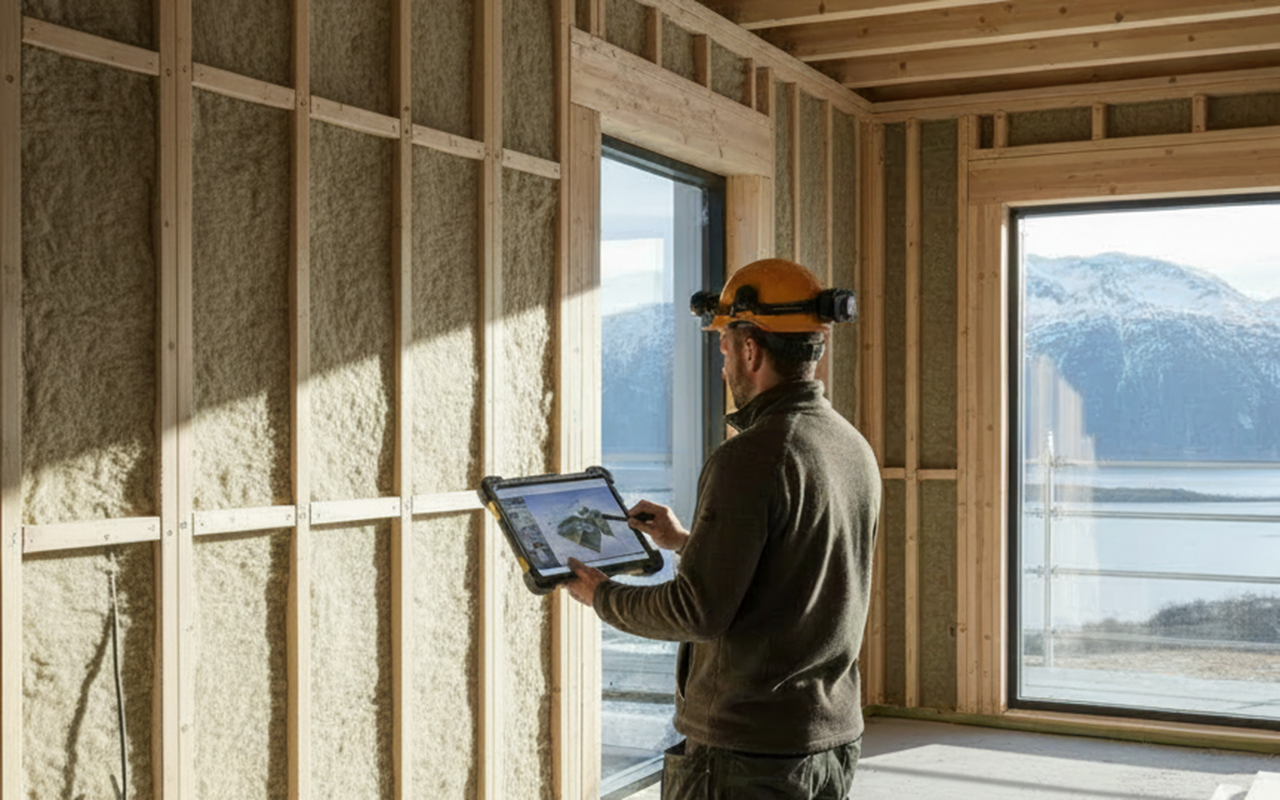
モバイルデバイス上でStreamBIMを使用することで、監督者の管理業務が大幅に削減され、現場での生産サポートにより多くの時間を割くことができるようになりました。また、このプロジェクトでは “「司令部” 現場の入り口に設置され、信号システムで安全問題を表示するスクリーン。これにより、意識、協力、そして現場全体の安全性が向上しました。.
結果と教訓
プロジェクトは オンタイム、オンバジェット, で 低カーボンフットプリント, ファサードの保存に厳しい制約があるにもかかわらず、素材の再利用が進み、エネルギー性能も大幅に向上しました。このプロジェクトは、以下のようなスウェーデンの複数の賞を受賞しています。 ベスト・コンストラクション・プロジェクト, 最高の現場安全そして 最高のプロジェクト文化と品質.
主な内容は以下の通り:
複雑なプロジェクトを 小物部品,
BIMを単なる文書化ではなく、生きた制作ツールとして活用してください、,
改修プロジェクトではプレハブ鉄筋に注意が必要です。.
今後の展望
ヨハネスは最後に、ビュッグスティルニングの最新作を簡単に紹介。 StreamBIMアドオン, 実世界のコンテクストの可視化(地図データを使用した未来の役員室からの眺めなど)や、自動化されたBIM-to-IFC-to-StreamBIMパイプラインを監視するダッシュボードを含みます。.
全体として、このプレゼンテーションでは、マインドセット、コラボレーション、そして構造化されたデジタル・ワークフローによって、最も困難な改修環境においても、完全なモデルベース建設が実現可能であるだけでなく、非常に効果的であることが示されました。.
このケーススタディでは、鉄筋工事とコンクリート工事におけるオールデジタル建設ワークフローを紹介します。
StreamBIMが御社のプロジェクトにどのようなメリットをもたらすかご興味のある方は、以下のリンクをご覧いただくか、この��ージ下部のお問い合わせフォームからご連絡ください!