
What strikes me most when we meet with clients is not necessarily the technology or the BIM model itself, but how clear the direction is becoming. We are now seeing the industry rallying around the same question: How do we move from document-based to data-driven work processes that actually change how projects are planned, built and operated?
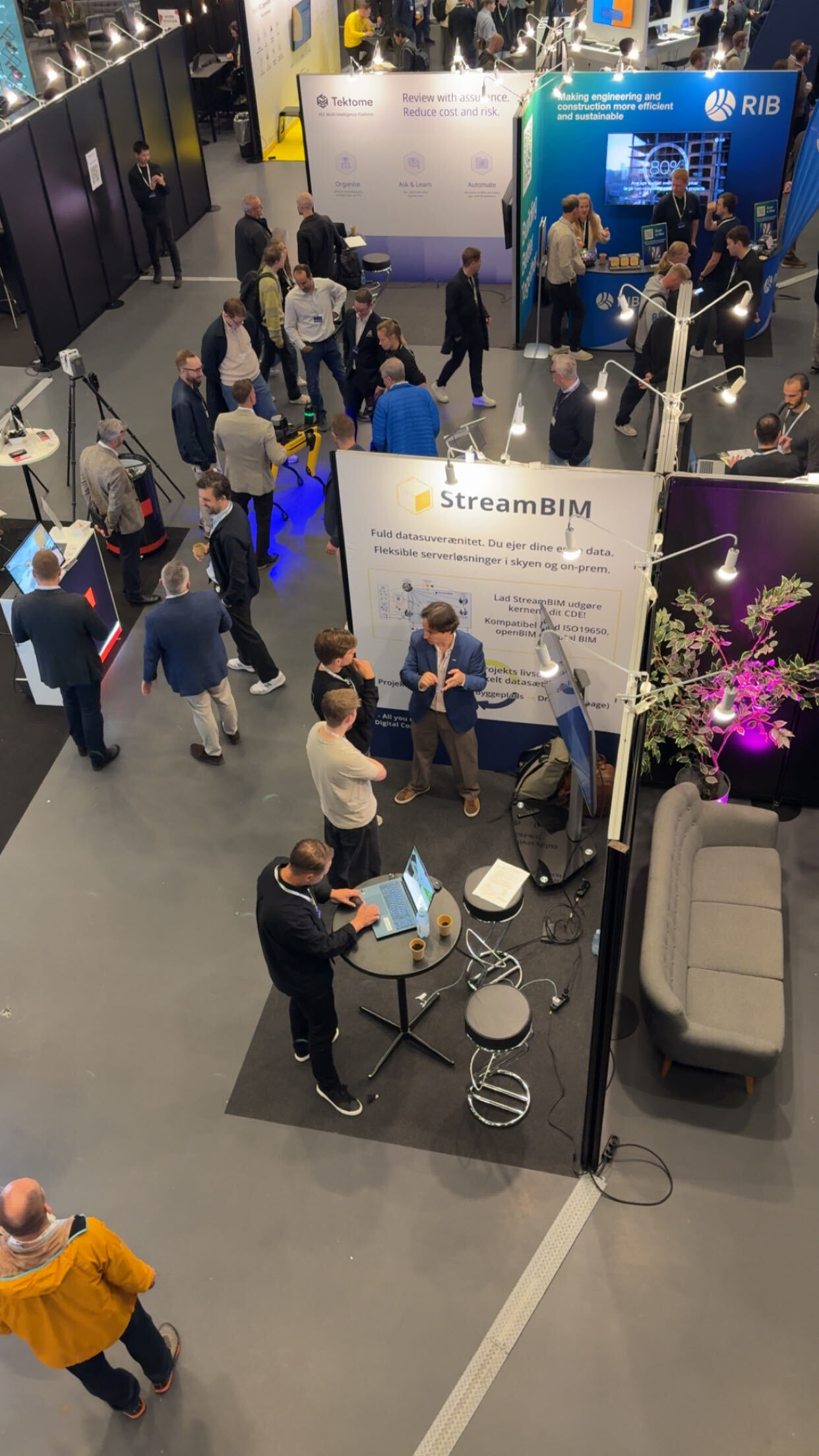
When I opened the StreamBIM Day in Stockholm with our “11 commandments”, it was, of course, a bit tongue-in-cheek. But the humour really only works because the message strikes a chord with something fundamental in the industry.
We all recognise the problems. Documents that become the truth instead of the data. BIM that exists in parallel with old ways of working. Information locked away in proprietary formats. And models that lose their value the moment the project is handed over.
The core of the message is actually quite simple: if we are serious about digitalisation, data must become the primary backbone, not the PDF.
From Hybrid BIM to TotalBIM
TotalBIM is a good example of this development: from “Hybrid BIM”, where the model is often used as a supplement, to a more holistic way of working where the model, information and decisions are more closely interlinked.
Hybrid BIM is in many ways a symptom of an industry in transition.
We create models, but at the same time maintain the document- and drawing-based processes alongside them, often ‘just to be on the safe side’. The result is duplication of effort, fragmented processes and a form of digitalisation that, in practice, merely adds a new layer on top of old ways of working.
TotalBIM represents something different. Not BIM as an add-on, but BIM as a foundation. A single shared data set. One truth. Information that flows between disciplines, tools and processes without losing context or quality.
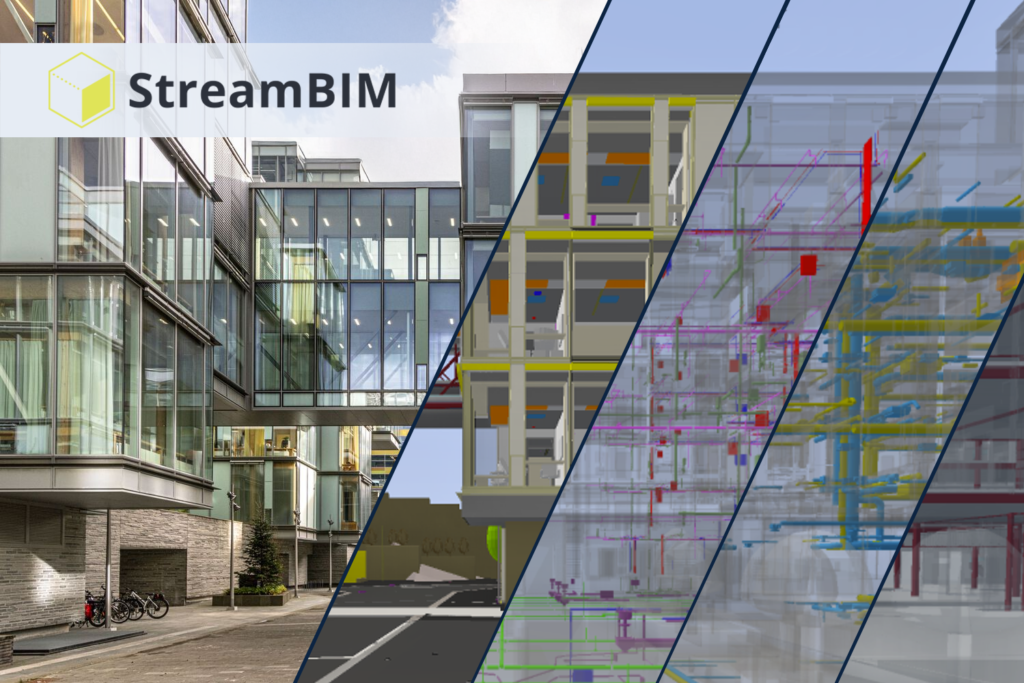
The value doesn’t stop at handover
The interesting thing is that the benefits aren’t just about technology. They’re about reduced time spent, less coordination, fewer errors, a better basis for decision-making, higher quality in delivery and a far better starting point for data-driven O&M.
I believe the latter is becoming increasingly important.
The true value of data begins at handover. If project data dies in the transition to operations, we have in reality spent enormous resources on producing information that never realises its full potential. That is why digitalisation is not just about what we should start doing. It is also about what we must stop doing.
That is perhaps the most difficult part of the transformation. Daring to stop processes that no longer actually create value. Moving away from documents as a backup for a lack of trust in data. Accepting that models and datasets can be the primary source.
The user day in Stockholm gave me strong confirmation that the industry is on the move. Not because everyone agrees on everything, but because more and more people are starting to ask the same questions:
- How do we build trust in data?
- How do we avoid fragmentation?
- How do we ensure the free flow of information?
- How do we make data actionable, not just accessible?
For me, this is the essence of what we are trying to achieve with StreamBIM. Not just better software, but a shift towards simpler, more open and more coherent work processes where data can actually be used for management, control and decision-making.
Ole's eleven commandments
- You shall not complicate simple matters.
- You shall not worship documents.
- You shall not lock in data. Use open standards, open APIs and let the data flow freely between digital tools.
- You shall not write down your truth in PDFs. Keep it in the model.
- You shall build trust in the data. Without trust in data there is no digital construction.
- You shall return the data to the data set. Workflows should enrich the model, not fragment it.
- You shall transform your data to guidance, control and decisions
- Don’t forget your day of rest. Digitalisation is not just about finding new ways of doing things, but also about deciding what we should STOP doing.
- Honour thy mother and father… and don’t make the customer dependent on proprietary formats.
- You shall not steal data… but integrations and open APIs are good things.
- You shall not kill data on handover. Your data should live longer than your project.