Digital transformation at Takenaka – StreamBIM Day Oslo 2025

Table of Contents

Picture of The StreamBIM Team
The StreamBIM Team

Digital transformation at Takenaka – technology, process and organization

Japanese super-GC Takenaka Corp. held the second presentation at StreamBIM Day Oslo 2025.

Hiroaki Yamasaki and Shojiro Taira offered a compelling look into how one of Japan’s oldest construction companies is transforming itself through Lean thinking, digital workflows and global collaboration. With over 400 years of history and roots in the toryo—the traditional master builder—the company continues to carry forward its long-standing philosophy: to be the best, not the biggest.

From Master Builder to Modern Innovation

Founded in 1610, Takenaka has long embodied the toryo spirit: taking full responsibility for quality and value throughout the entire building process. Today, this tradition provides a cultural backbone for the company’s approach to innovation, Lean methodologies and BIM implementation.

Yamasaki and Taira reflected on their previous appearance at StreamBIM Day Stockholm in 2022, and how their organization has evolved since then. While StreamBIM adoption in Takenaka has surged—from 70% of projects in 2022 to 95% in 2024—they emphasized that adoption alone does not equal transformation. A visit to a project in Bergen, Norway, revealed that deeper behavioral and cultural shifts were still needed.

Rediscovering Lean: Balancing Mindset, Rules and Systems

Although Lean originates in Japan through Toyota’s manufacturing revolution, many Japanese construction professionals remain unfamiliar with Lean’s principles. The presenters highlighted that Lean thrives on a balance between mindset, rules and systems, with mindset being the most critical—and the most difficult to articulate.

Rapid changes in Japan’s work environment have challenged that balance. An aging workforce, strong resistance to digital tools, the impact of COVID-19 and labor reform have created new pressure points on construction sites. As a result, mindset has become harder to maintain and even harder to explain.

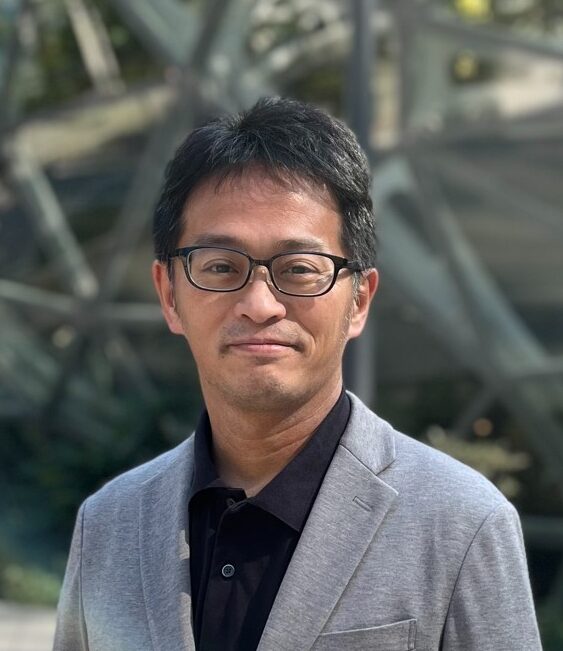
Portrait of Hiroaki Yamasaki from Takenaka Corporation

Hiroaki Yamasaki

BIM/Data Engineer, Product Owner Agile Software Development

Yamasaki-san joined Takenaka in 2002 and worked as a site manager for 17 years before moving on to a more central role in implementing BIM and developing new construction technology for the organisation as a whole. Now working out of the Tokyo HQ, the Fukuoka native is always on the lookout for things that can be the next step in Takenaka's long and storied history.
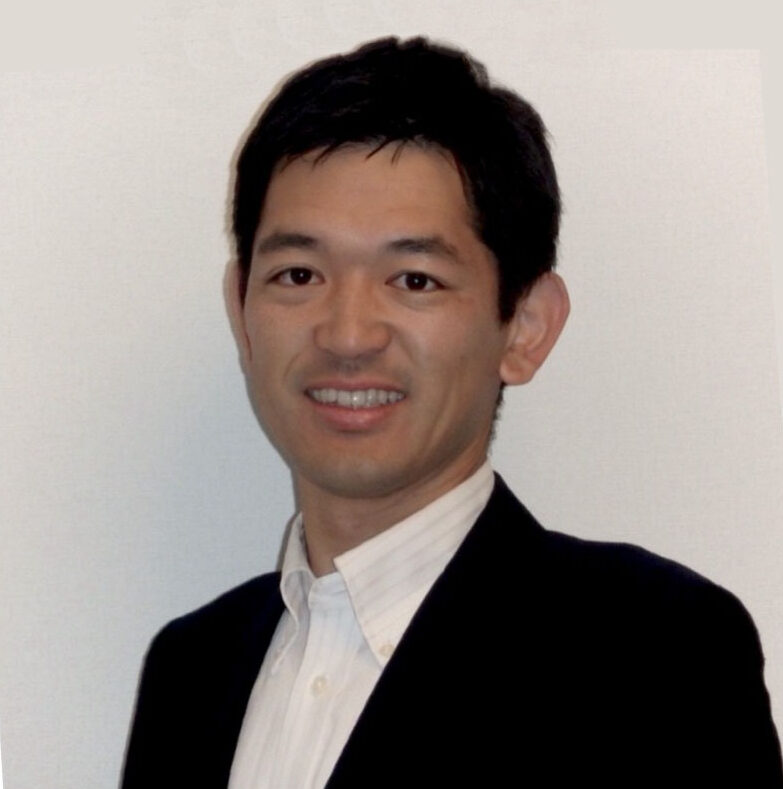
Portrait of Shojiro Taira of Takenaka Corporation

Shojiro Taira

Chief Engineer, Advanced Construction Group

Taira-san worked as a construction engineer for the first 8 years after joining Takenaka, before moving on to a more ventral role with BIM implementation in the company as a whole, and recently also Lean Construction. Based out of the Osaka HQ, Taira-san keeps a steady hand on StreamBIM implementation and usage.
Recording date: 30 October 2025 

Language: English

Subtitles: EN, NO, SE, JP/日本語 

Main Themes and Key Points

Key Takeaway 1: Enhancing Engagement Through Dialogue

  • Management mandating 100% StreamBIM usage in Takenaka triggered resistance from late adopters.

  • Real improvement began when teams engaged in deep dialogue and analog workshops (e.g., Lego, Post-its).

  • Proper dialogue needs visible, enabling meaningful and incremental improvements.

  • A support team capable of responding quickly to feedback accelerated adoption quality—not just adoption rate.

Key Takeaway 2: Activating Human Knowledge Through Digital Means

  • StreamBIM labels + Power BI greatly improved searchability, document management and on-site visibility.

  • Integrated workflows now link BIM models to quality records and construction checklists.

  • Experience data can now be shared across projects, building organizational learning.

  • BrainBridge (in-house generative AI) is being developed to:

    • extract tacit knowledge from issue-resolution data,

    • summarize training topics,

    • prevent quality issues based on Heinrich’s Law,

    • strengthen decision-making and knowledge transfer.

Key Takeaway 3: Broadening Perspective Through Cultural Collaboration

  • Shared values between Japan and Norway:

    • Japan: “Be the best, not the biggest.”

    • Nordics:  Emphasis on efficiency and sustainability.

  • Norway contributes:

    • open sharing of know-how,

    • standardized training,

    • industry frameworks (MMI, FMI),

    • tools such as StreamBIM, dRofus, Imerso.

  • Japan contributes:

    • deep attentiveness,

    • craft-based problem-solving,

    • thoroughness and detail orientation.

  • Together, these create complementary strengths in Lean construction culture.

Mindset as the Core Message

  • Erosion of the traditional quality focused mindset as a result of over-emphasis on rules and compliance.

  • Changing mindset—especially of experienced workers—is extremely hard.

  • Takenaka is now focusing on experiential learning to rebuild a strong Lean mindset.


Digital tools, Lean methods and organizational reforms only succeed when people truly internalize a shared mindset. Meaningful dialogue, cross-cultural learning and mechanisms that reveal and share tacit knowledge are essential to sustaining high-quality construction and enabling innovation.

If you want to know more about how StreamBIM could help your project achieve the benefits of the Lean methodology and digital construction in general, check out the link below, or get in touch via the contact form at the bottom of this page!